
Choosing the right zirconia crown material for your dental practice requires balancing clinical environment challenges, aesthetic demands, and preparation designs to achieve the ideal mix of high strength and natural translucency. Imagine a typical morning in your clinic where you are seated chairside, examining an anterior restoration that has chipped for the third time this month. You feel the sting of frustration as you realize the patient is losing confidence in your work, and your lab bills are starting to climb due to constant remakes. To resolve this dilemma, adopting 4Y Zirconia offers your practice a highly versatile, medium-translucency option that perfectly bridges the gap between ultra-strong 3Y and highly aesthetic 5Y formulations.
Why is 4Y Zirconia the modern balance?
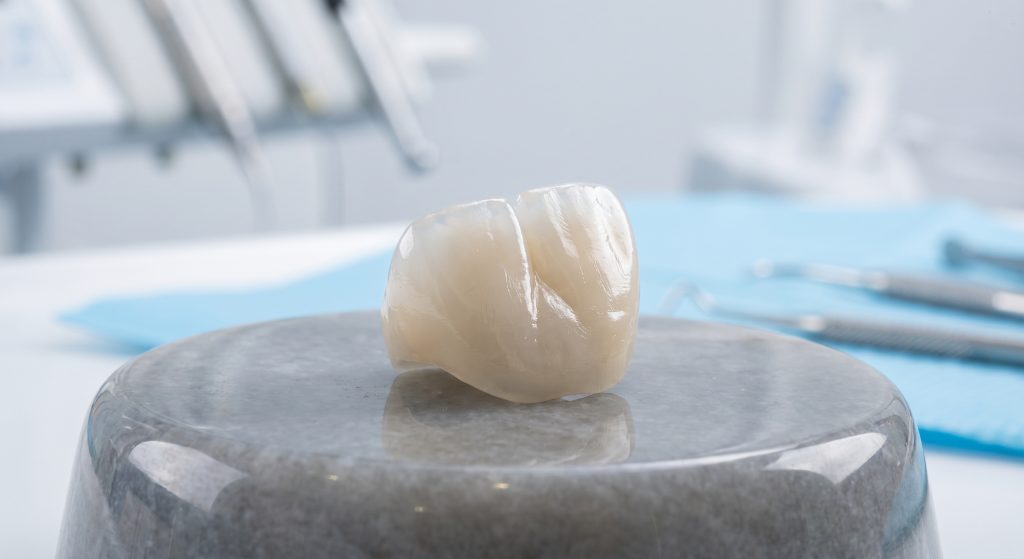
4Y Zirconia serves as the modern balance in restorative dentistry because its unique chemical composition offers a perfect middle ground of 600 to 1,050 MPa flexural strength and natural translucency. This material consists of a balanced blend of 75% tetragonal and 25% cubic zirconia phases. It resolves the clinical dilemma of choosing between high-strength opacity and aesthetic fragility. Modern dental practices rely on this material as a universal solution for multi-unit cases.
By integrating this material into your daily treatment planning, you can significantly reduce your lab inventory. Clinicians no longer need to keep separate stockpiles of highly aesthetic and high-strength blanks. This streamlines clinical decision-making during fast-paced chairside workflows. Ultimately, this single formulation satisfies a wide spectrum of clinical indications.
What makes yttria content so crucial?
Yttria content is crucial because it directly controls the balance of crystal phases that determine the material’s final physical properties. A concentration of approximately 4 mol% yttria stabilizes both the tetragonal and cubic crystal structures. This molecular configuration blocks light scattering while maintaining high resistance to crack propagation. Consequently, the material remains strong yet aesthetic.
Lower concentrations of yttria yield high strength but result in a chalky appearance. Conversely, higher yttria concentrations create beautiful translucency at the cost of structural integrity. Finding the sweet spot around 4 mol% yttria prevents premature clinical failures. This balance makes it the ideal baseline for everyday dental restorations.
Think about it:
- Crystal Stabilization: Balances tetragonal and cubic phases at the molecular level.
- Light Transmission: Enhances translucency to mimic natural enamel.
- Phase Transformation: Retains moderate self-healing properties under stress.
The shift from 3Y to 5Y formulations
The transition from traditional 3Y to 5Y formulations represents a shifting paradigm in dental material science over the last decade. Early 3Y materials offered exceptional durability but lacked the natural aesthetic properties needed for anterior restorations. The introduction of 5Y solved aesthetic challenges but introduced concerns regarding posterior fracture rates. Transitioning to a balanced 4 mol% formulation resolves these opposing clinical limitations.
Clinicians now have access to a material that is robust enough for posterior bridges while remaining beautiful enough for anterior veneers. This shift minimizes chairside selection errors and simplifies laboratory processing. Modern CAD/CAM systems are fully optimized for this intermediate material category. Adopting this standard ensures predictable, long-term restorative outcomes.
Here is why:
- Strength Evolution: Bridges the physical gap between traditional formulations.
- Aesthetic Balance: Restores natural beauty without compromising posterior durability.
- Inventory Efficiency: Minimizes the need for multiple material blanks in your clinic.
| Restorative Metric | 3Y Zirconia | 4Y Zirconia | 5Y Zirconia |
|---|---|---|---|
| Yttria Content | ~3 mol% | ~4 mol% | ~5 mol% |
| Flexural Strength | 1,000–1,500 MPa | 600–1,050 MPa | 500–700 MPa |
| Translucency Level | Low (Opaque) | Medium (Semi-translucent) | High (Aesthetic) |
Clinicians should transition to 4 mol% formulations as their primary restorative material to achieve consistent aesthetic and structural success across all areas of the mouth.
Key Takeaway: Implementing this balanced material provides your practice with a single, dependable option that handles both anterior aesthetics and posterior strength, cutting down remakes and boosting clinical confidence.
Can 4Y Zirconia reduce prep thickness?
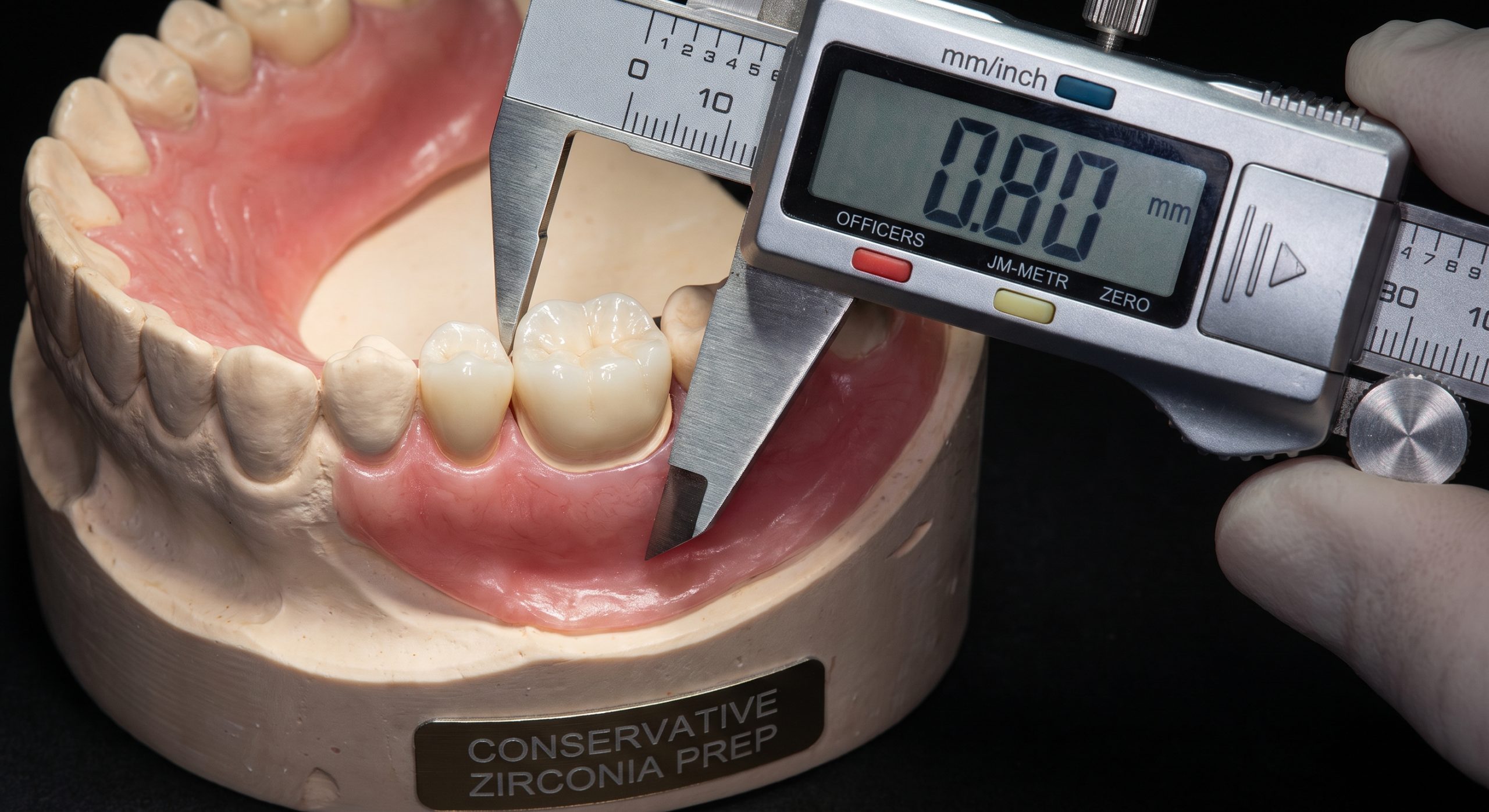
Conservative tooth preparation is entirely achievable because 4Y Zirconia possesses sufficient flexural strength to remain structurally sound at an axial wall reduction of only 0.8 mm to 1.0 mm. This structural efficiency allows dentists to conserve precious natural enamel and dentin during prep design. Maintaining sound tooth structure directly correlates with improved pulp vitality and bond strength. Consequently, patients benefit from less post-operative sensitivity and longer-lasting restorations.
Traditional full-coverage crowns often required aggressive, non-conservative reduction depths. This aggressive approach frequently put the dental pulp at risk of irreversible damage. By switching to a high-performance material, you can implement ultra-conservative preparation guidelines. Your patients will appreciate the biological conservation of their natural teeth.
Minimal preparation guidelines for dentists
Adhering to minimal preparation guidelines is essential to prevent restoration fracture and maintain marginal integrity. Dentists must aim for a minimum occlusal reduction of 1.0 mm and an axial reduction of 0.8 mm. Sharp internal line angles must be carefully rounded to reduce localized stress concentrations within the ceramic. Additionally, a distinct chamfer margin configuration is highly recommended over a feather-edge finish.
Insufficient occlusal reduction can lead to premature material wear or restoration failure under heavy load. Utilizing digital handpieces and specialized bur kits helps achieve highly precise preparation depths. Consistent measurements using silicone reduction guides ensure clinical success. These standardized protocols ensure your restorations perform reliably over time.
Here is the kicker:
- Occlusal Reduction: Maintain a minimum clearance of 1.0 mm in all excursive movements.
- Axial Reduction: Aim for 0.8 mm to 1.0 mm wall reduction for conservative prep designs.
- Margin Geometry: Prepare a smooth, continuous 360-degree chamfer margin without bevels.
Preserving enamel for stronger bonding
Preserving enamel during tooth preparation dramatically enhances the long-term bond strength of your adhesive cements. Enamel provides a highly reliable substrate for resin bonding compared to deep dentin surfaces. When you conserve the enamel shell, you also protect the underlying pulp from chemical and thermal irritation. This conservative strategy leads to predictable clinical retention and fewer loose crowns.
Modern CAD/CAM design systems are highly capable of calculating precise material thicknesses across all areas of the prep. By designing restorations with precise digital controls, you avoid unnecessary tooth reduction. This synergy between physical material strength and advanced digital fabrication techniques is a massive upgrade over traditional analog workflows. It gives you the biological confidence needed for minimally invasive dentistry.
Think about it:
- Enamel Conservation: Keeps the preparation highly retentive for resin adhesives.
- Pulp Protection: Lowers post-operative sensitivity by keeping a thick dentin barrier.
- Digital Accuracy: Eliminates human error during crown thickness verification.
| Preparation Dimension | Minimum Required | Recommended Ideal | Danger Zone |
|---|---|---|---|
| Occlusal Clearance | 1.0 mm | 1.2 mm | < 0.8 mm |
| Axial Reduction | 0.8 mm | 1.0 mm | < 0.6 mm |
| Margin Style | Chamfer | Deep Chamfer | Feather-edge / Bevel |
Implementing strict chamfer margins and rounded internal line angles minimizes stress concentration, maximizing the structural integrity of thin-walled restorations.
Key Takeaway: Minimizing prep thickness allows you to maintain vital tooth structures, leading to better long-term adhesion and significantly higher patient comfort.
How does 4Y Zirconia match natural teeth?
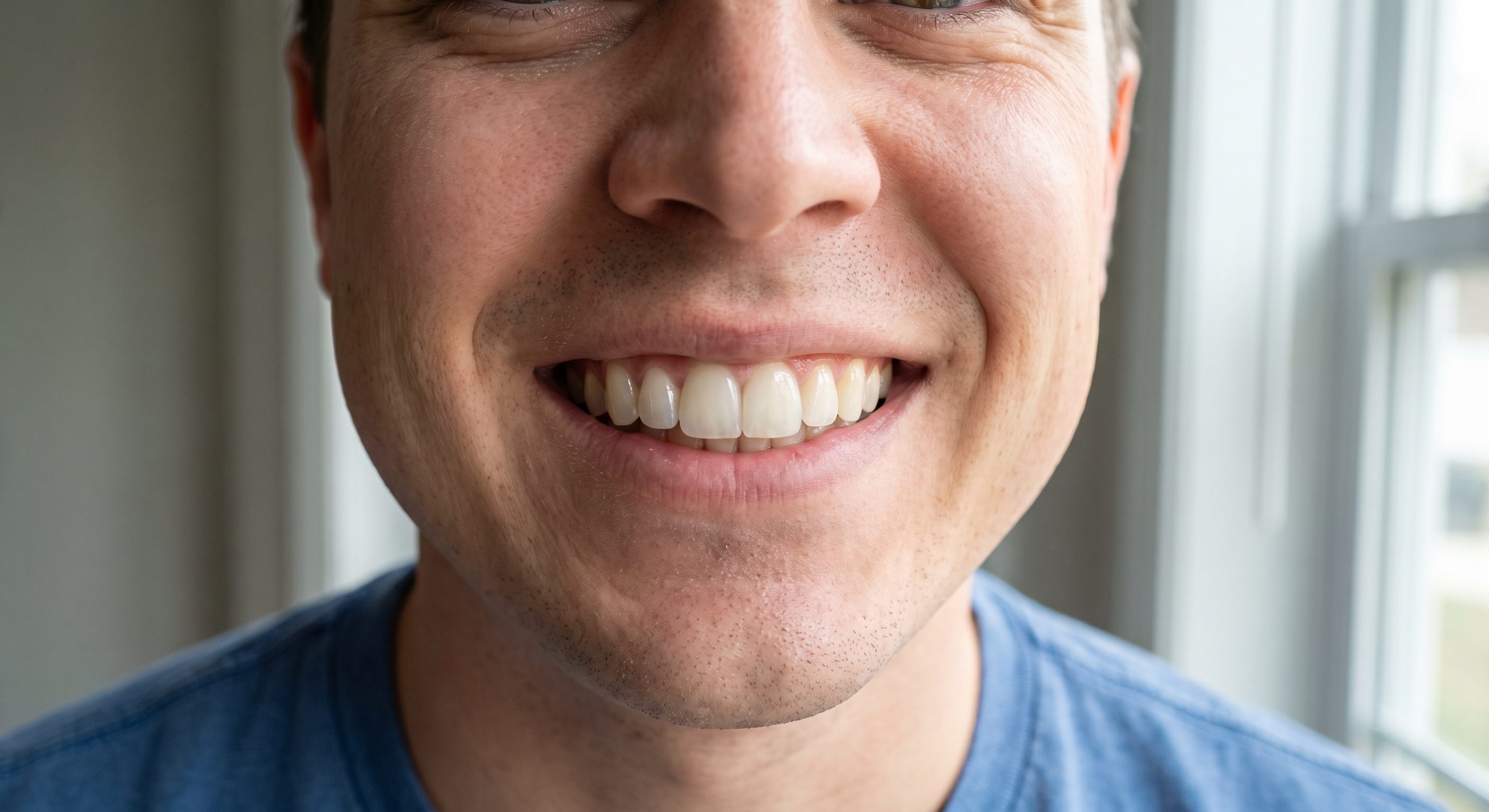
The material matches natural teeth exceptionally well by utilizing a multi-layered polychromatic structure that blends seamlessly with the optical characteristics of surrounding dentin and enamel. This optical integration is made possible by the 25% cubic phase, which increases light transmission. Incorporating 4Y Zirconia into your practice eliminates the flat, chalky appearance associated with early dental ceramics. This allows you to achieve lifelike aesthetics in both anterior and posterior quadrants.
Achieving a natural look is crucial for patient satisfaction in the esthetic zone. Traditional opaque materials often require intensive, labor-intensive external staining. Modern multi-layered CAD/CAM blocks contain built-in shade gradients that mimic natural teeth. This internal gradient provides a deep, natural luster directly out of the sintering furnace.
How does multi-layering enhance shade match?
Multi-layered technology enhances shade matching by placing distinct color and translucency zones within a single ceramic block. The cervical region of the block features higher opacity and intense chroma to mimic natural root structure. Moving incisally, the material gradually transitions to higher translucency and lower chroma. This gradient perfectly replicates the natural light transmission of human teeth.
Lab technicians can position the CAD model within these virtual layers to customize individual tooth aesthetics. This digital customization reduces the need for complex, hand-applied ceramic staining techniques. The end result is a highly durable restoration that displays a natural depth of shade. This technology ensures reliable shade matches, even in challenging lighting conditions.
Best of all:
- Cervical Chroma: Replicates the deeper, warmer hues of natural dentin.
- Incisal Translucency: Mimics the light-transmitting characteristics of enamel.
- Seamless Transitions: Eliminates harsh, visible boundaries between color layers.
Controlling translucency in the esthetic zone
Controlling translucency in the esthetic zone requires a thorough understanding of the underlying prep shade and final restoration thickness. When restoring discolored endodontically treated teeth, clinicians must choose a material with sufficient opacity to mask the dark core. A balanced formulation provides enough opacity to cover mild prep discoloration while offering enough translucency to blend with adjacent teeth. This balance is critical for achieving a natural-looking smile transformation.
Incorrect translucency management can result in a restoration that looks gray or overly opaque. Utilizing matching try-in pastes allows the clinician to preview the final color before permanent cementation. Communicating the exact prep shade to the laboratory partner remains a critical step. These cooperative efforts lead to consistent, highly aesthetic outcomes.
But that is only part of the story…
- Prep Masking: Selectively block dark background discoloration.
- Try-In Verification: Use matching trial pastes to confirm shade before seating.
- Lab Communication: Always relay preparation shade data to your technician.
| Aesthetic Zone Challenge | Material Requirement | Clinical Solution | Aesthetic Result |
|---|---|---|---|
| Discolored Prep Core | Controlled Opacity | Mask with cement or choose medium opacity | Uniform shade match |
| Incisal Transparency | High Light Transmission | Position crown high in the multi-layer block | Natural incisal halo |
| Adjacent Tooth Blend | Multi-directional Light Refraction | Polish or glaze to match natural texture | Invisible restoration margins |
Carefully positioning the restoration within the multi-layered CAD block allows clinicians to precisely match both cervical chroma and incisal translucency for a lifelike result.
Key Takeaway: Utilizing multi-layered options with balanced translucency ensures your anterior crowns blend seamlessly, significantly improving patient aesthetic satisfaction without complex staining.
Is 4Y Zirconia strong for posterior teeth?
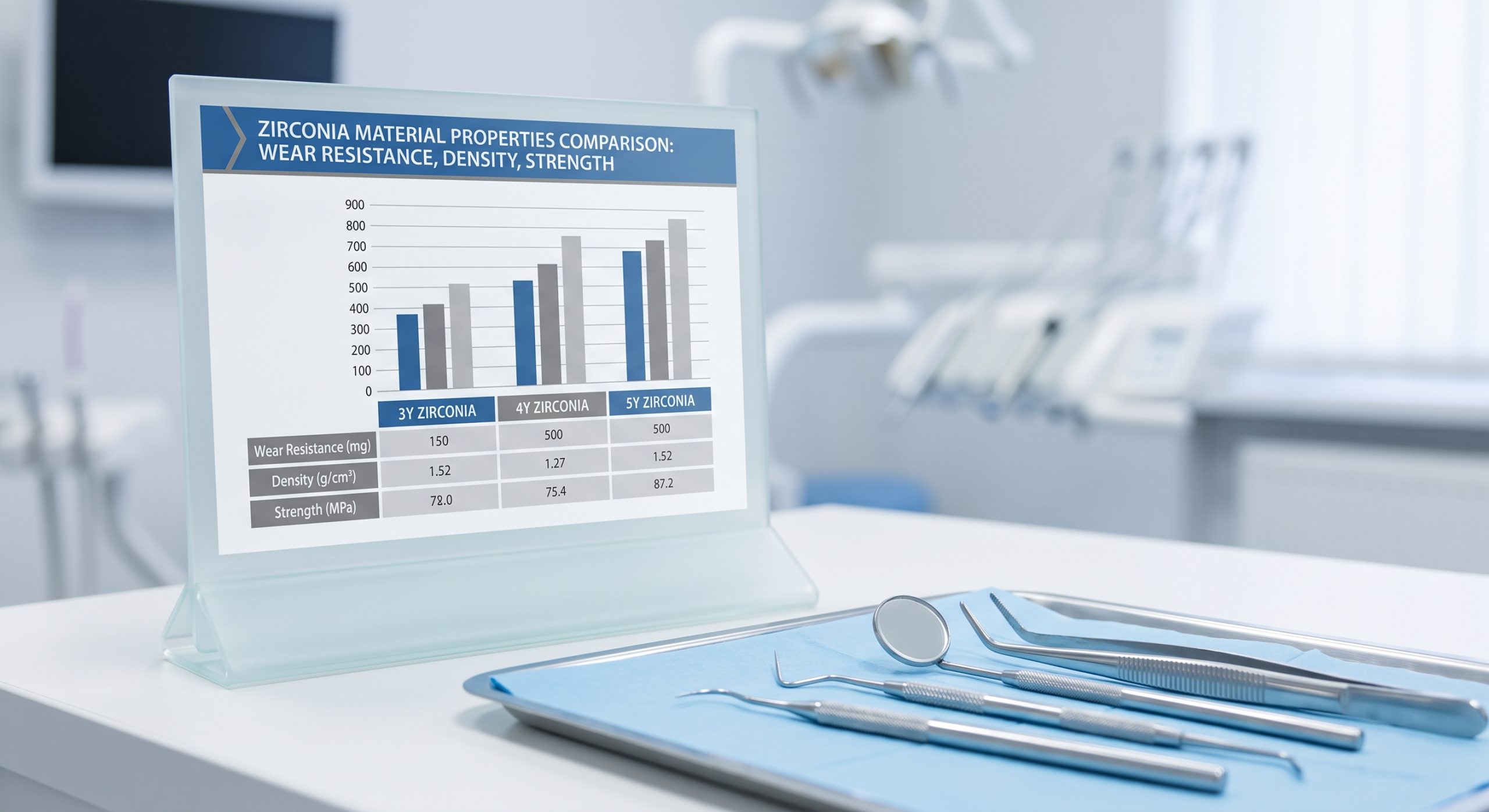
Yes, this material is highly effective for posterior teeth because its flexural strength of 600 to 1,050 MPa easily withstands heavy occlusal forces. This strength allows 4Y Zirconia to withstand masticatory loads in the molar regions without fracturing. It delivers the reliability of traditional metals with the aesthetic benefits of all-ceramic restorations. Dentists can confidently prescribe it for patients with a history of bruxism or strong bite forces.
Posterior teeth are subjected to substantial compressive and shear stresses during chewing. Weak ceramic materials often chip or break catastrophically under these intense loads. Choosing a high-strength material significantly reduces the risk of emergency repair visits. This stability provides long-term peace of mind for both the dentist and the patient.
Can it withstand heavy occlusal forces?
Withstanding heavy occlusal forces is a hallmark of this high-performance ceramic, thanks to its high fracture toughness. It is designed to resist deformation and micro-cracking during mastication. Even under the high stresses of bruxism, the material maintains its structural integrity. This durability makes it a reliable alternative to traditional porcelain-fused-to-metal (PFM) crowns.
Clinical studies have demonstrated that this material exhibits minimal wear over years of function. Proper occlusal adjustment and polishing are critical to maintaining these mechanical benefits. Using dedicated zirconia adjustment burs prevents heat-induced micro-fractures during chairside adjustments. This step ensures the crown retains its full strength under load.
Let’s face it:
- High Flexural Strength: Exceeds the standard forces of mastication.
- Fracture Resistance: Prevents catastrophic material failures.
- Longevity: Delivers durable service in the molar regions.
Resisting material fatigue under cyclic loading
Resisting material fatigue under cyclic loading is crucial to ensuring the restoration does not degrade over years of mechanical stress. Micro-fractures can develop silently within the ceramic crystalline matrix due to continuous chewing forces. However, the stabilized tetragonal crystals in the material undergo phase transformation toughening when subjected to localized stress. This structural shift actively stops cracks from propagating further through the core.
Proper material depth and uniform internal support from the preparation are primary factors in resisting cyclic fatigue. Dentists must make sure that there are no sharp edges on the prepared tooth which could concentrate stress. Modern dental ceramics have been engineered specifically to perform under these repetitive loading patterns. Your patients will benefit from crowns that retain their high mechanical safety margin over years of function.
But that is only part of the story…
- Micro-crack resistance: Crystalline stabilization arrests fracture lines early.
- Phase transformation: Active self-healing structural shift under physical load.
- Long-term load capacity: Withstands millions of chewing cycles without fatigue.
| Force Category | Average Masticatory Load | 4Y Zirconia Limit | Clinical Safety Margin |
|---|---|---|---|
| Normal Posterior Bite | 300–400 N | Up to 1000+ MPa | High safety margin |
| Bruxism Peak Force | 600–800 N | Up to 1000+ MPa | Adequate safety margin |
| Parafunctional Clenching | 800+ N | Up to 1000+ MPa | Safe with proper thickness |
For patients exhibiting severe parafunctional habits, maintaining a minimum material thickness of 1.0 mm ensures the restoration stands up to heavy wear.
Key Takeaway: Opting for high flexural strength in the posterior region minimizes clinical failures, giving you and your patients ultimate peace of mind under the heaviest bites.
Will 4Y Zirconia optimize lab workflows?
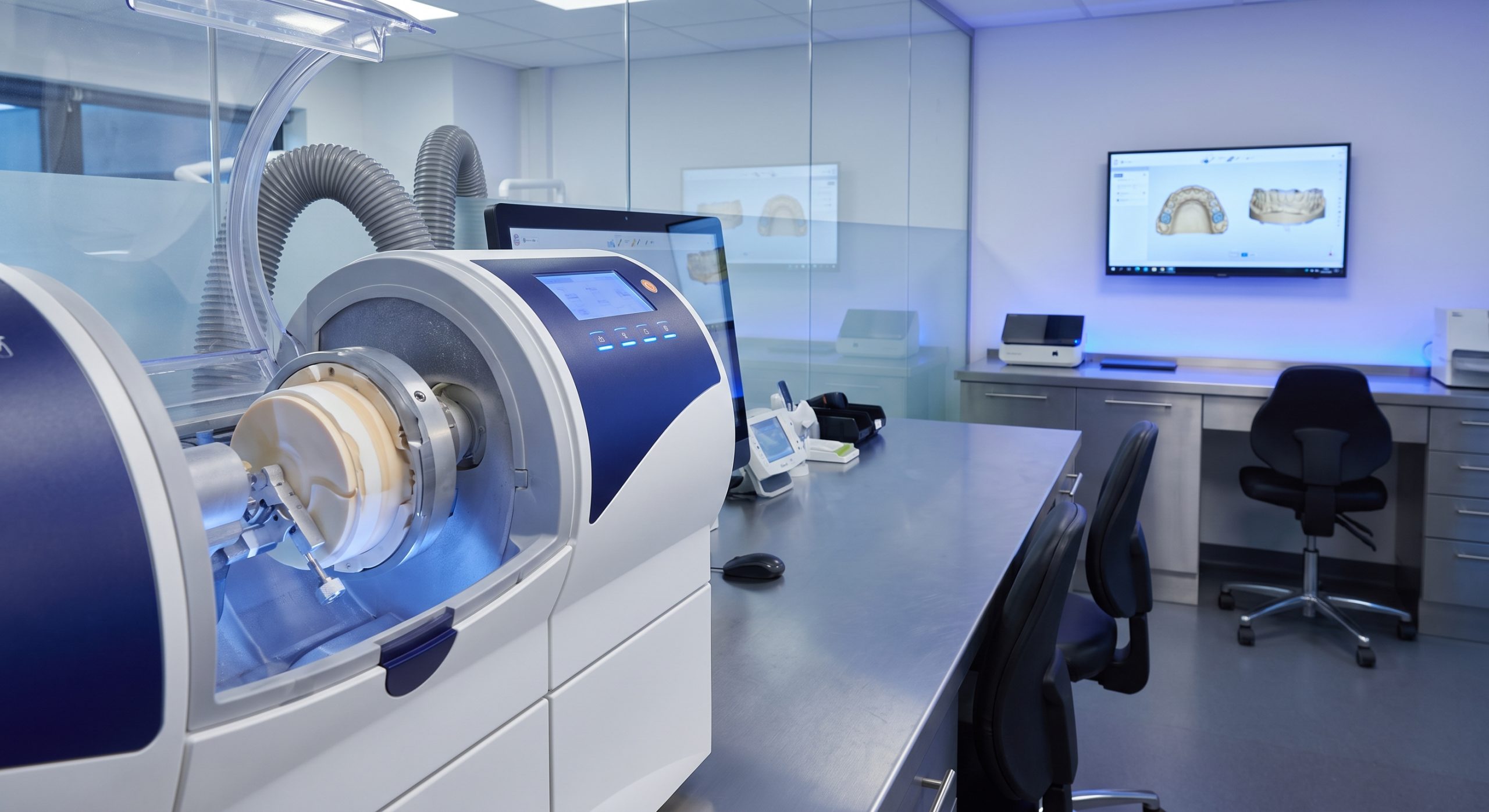
This versatile ceramic optimizes lab workflows by offering a single, highly adaptable material that streamlines the CAD/CAM milling, sintering, and finishing stages. Lab technicians can mill multiple anterior and posterior restorations from the same disc of 4Y Zirconia. This reduction in material handling minimizes production delays and lowers operational overhead. Digital design software can easily position crowns to optimize shade gradients.
Traditional workflows often required switching between different types of ceramic blocks. This constant switching created bottlenecks during busy manufacturing cycles. Implementing a highly versatile material allows for continuous, high-efficiency milling operations. Consequently, labs can deliver restorations to dental practices much faster.
Streamlining CAD/CAM milling procedures
Streamlining CAD/CAM milling procedures begins with using high-quality pre-sintered ceramic blanks that resist chipping. The material in its green state is highly stable and easily machinable. This allows for precise milling of fine margins and complex anatomy without edge chipping. As a result, technicians spend less time manually refining margins.
Modern nesting software maximizes disc utilization to reduce material waste. This efficiency lowers the cost per unit for dental laboratories. The milled crowns exhibit minimal dimensional changes during the final sintering process. This precision ensures a highly predictable fit during chairside delivery.
But wait, there’s more:
- Stable Green State: Allows for fast milling of fine margins.
- Reduced Waste: Optimizes the placement of crowns within each disc.
- Precise Fit: Minimizes dimensional changes during sintering.
Reducing sintering time in high-volume labs
Reducing sintering time is crucial for dental labs aiming to meet short turnaround times. Modern high-speed sintering furnaces can process this material in shortened cycles without sacrificing translucent properties. This speed allows labs to offer same-day or next-day turnaround options. Shorter heating and cooling phases also reduce energy consumption.
Traditional sintering cycles could take up to eight hours to complete. Fast-sintering programs complete this process in a fraction of that time. This improvement allows labs to increase their daily output. It provides a highly efficient workflow for both large commercial operations and boutique labs.
The best part?
- Speed Sintering: Cuts overall processing times significantly.
- Energy Savings: Lowers operating costs for busy laboratory setups.
- Fast Delivery: Ensures clinics receive final crowns much faster.
| Sintering Phase | Traditional Cycle | Fast-Sintering Cycle | Workflow Benefit |
|---|---|---|---|
| Heating Time | 3.5 Hours | 45 Minutes | Drastically reduces turnaround time |
| Peak Hold Time | 2.0 Hours | 30 Minutes | Increases daily furnace output |
| Cooling Time | 2.5 Hours | 45 Minutes | Accelerates final finishing |
Transitioning to fast-sintering cycles allows labs to double their daily crown production while maintaining optical properties.
Key Takeaway: Fast-sintering capabilities and stable CAD/CAM milling slash crown production turnaround times, improving relationship efficiency between your clinic and the lab.
Does 4Y Zirconia protect opposing teeth?
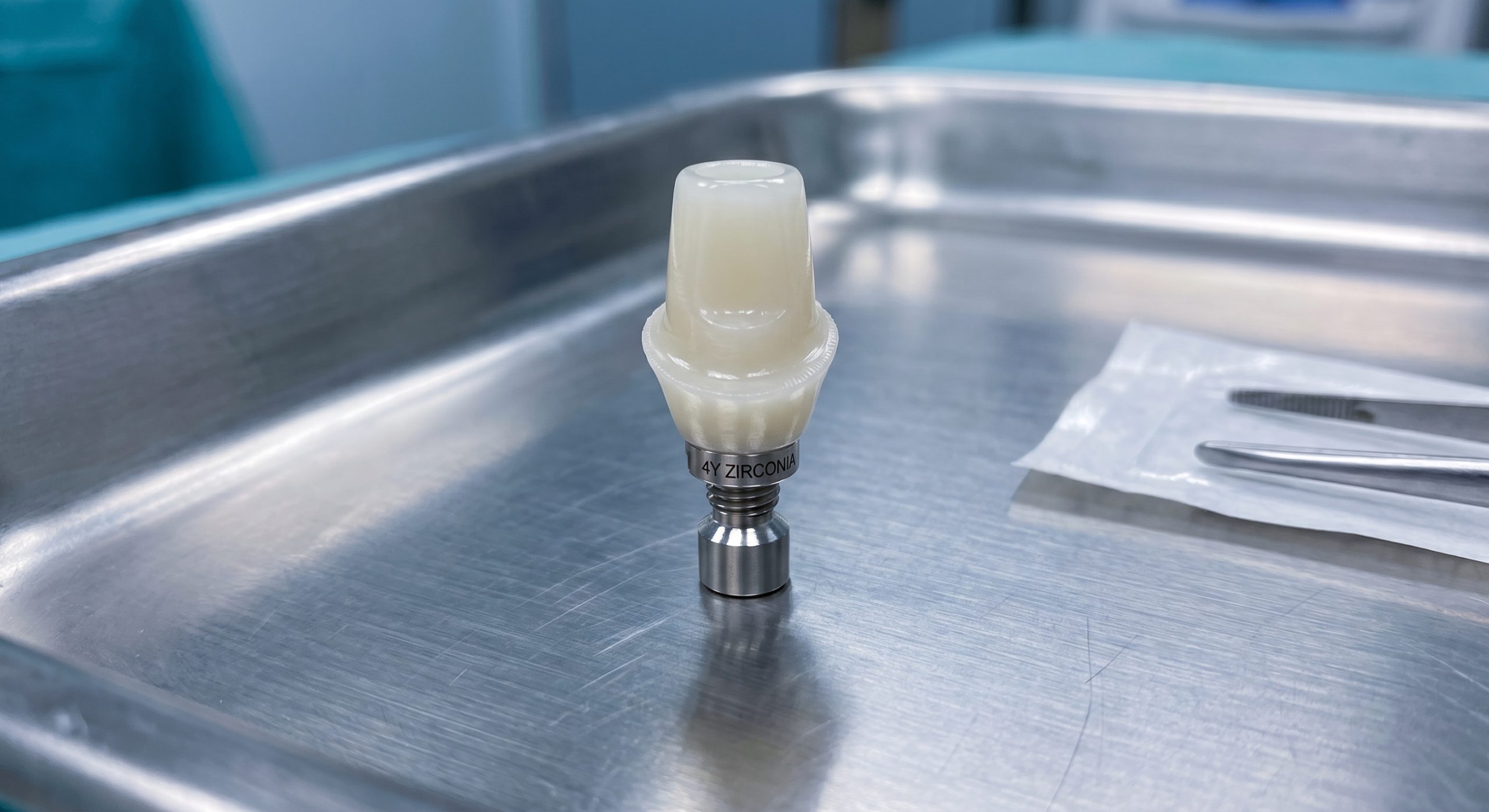
This ceramic protects opposing dentition because its dense, homogeneous micro-structure can be polished to an ultra-smooth finish that is exceptionally gentle on natural enamel. Utilizing 4Y Zirconia reduces the abrasive friction often caused by rough ceramic surfaces. Highly polished surfaces resist plaque accumulation and staining. This low-abrasion profile makes it an excellent option for patients with sensitive opposing dentition.
Traditional unpolished glass ceramics can act like sandpaper on opposing natural teeth. This wear often leads to dentin exposure and tooth sensitivity. Polishing the restoration to a mirror-like finish prevents this wear. Dentists can feel confident prescribing this material for long-term clinical wear.
Why does smooth glaze protect enamel?
A smooth, polished surface protects enamel by reducing abrasive friction during functional and parafunctional movements. When ceramic is polished to a mirror-like finish, it slides smoothly across natural teeth. This lack of friction prevents the wear of opposing enamel. In contrast, unpolished or poorly glazed ceramic can cause rapid wear of opposing teeth.
Glazing adds a protective, high-gloss surface layer that seals minor surface imperfections. If the glaze wears away, a highly polished underlying structure continues to protect opposing teeth. This dual-layer protection ensures long-term wear compatibility. It remains a key factor in maintaining long-term occlusal stability.
The reality is:
- Low Friction: Smooth surfaces slide easily over natural teeth.
- Enamel Preservation: Protects opposing enamel from premature wear.
- Plaque Resistance: Polished surfaces are less prone to bacterial buildup.
Polishing versus glazing clinical protocols
Choosing between polishing and glazing depends on the clinical situation, but evidence proves that a highly polished surface remains smoother over time than a glazed one. Glaze layers are very thin and can wear away within a few years of clinical function, exposing the underlying ceramic. If the underlying surface is rough, it will begin to abrade the opposing tooth. Therefore, polishing the functional surfaces is highly recommended even if a glaze is applied.
Finishing with dedicated polishing kits after any chairside adjustments is a non-negotiable step. Polishing ensures that the restoration maintains its kind-to-enamel characteristics permanently. Lab technicians must also prioritize thorough polishing before final delivery. This simple clinical step prevents long-term destructive wear on the patient’s natural bite.
Here is why:
- Surface smoothness: Polishing creates a permanently smooth interface.
- Wear rate: Exposes natural enamel to minimal abrasion.
- Material toughness: Avoids the micro-defects that can trigger surface wear.
| Surface Treatment | Friction Coefficient | Wear on Opposing Enamel | Plaque Accumulation |
|---|---|---|---|
| Highly Polished | Very Low | Minimal to None | Extremely Low |
| Glazed Only | Moderate | Mild (until glaze wears) | Low |
| As-Milled (Rough) | High | Severe | High |
Clinicians must thoroughly polish all adjusted functional surfaces using fine-grit diamond polishing cups to ensure long-term wear compatibility with natural dentition.
Key Takeaway: Investing time in a highly polished surface protects opposing enamel, preserving your patients’ natural dentition and preventing future TMJ or wear issues.
Is 4Y Zirconia ideal for long bridges?
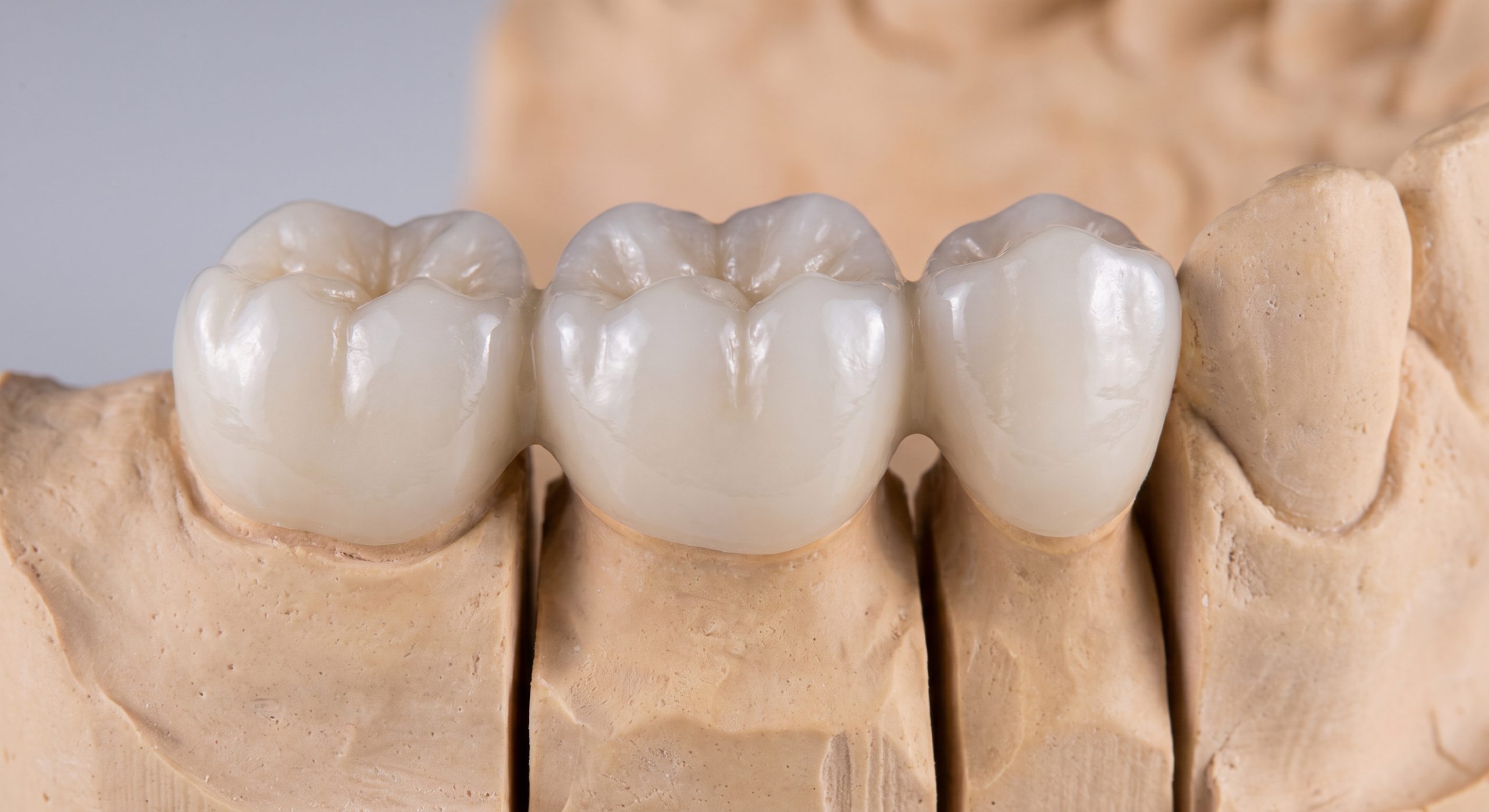
This material is highly suitable for multi-unit posterior bridges up to three units, provided that the connector areas are designed to meet structural guidelines. Its 600 to 1,050 MPa flexural strength delivers the load-bearing capacity required to span edentulous spaces safely. Using 4Y Zirconia for bridges delivers an aesthetic option for anterior and posterior spaces. It provides a highly stable option that resists bending and fracture under occlusal loads.
Long-span bridges are subject to complex torsional and bending forces. Under-designed connectors can easily lead to structural failures under these stresses. Adhering to the manufacturer’s recommended connector sizes is critical to clinical success. This attention to detail ensures the structural reliability of the restoration.
Evaluating connector size requirements
Evaluating connector size requirements is essential to ensure the long-term success of multi-unit posterior bridges. For a three-unit bridge in the molar region, the connector area must be at least 12 square millimeters. In the anterior region, this size can be reduced to 9 square millimeters for improved aesthetics. These dimensions are critical to prevent catastrophic bridge fractures during function.
Insufficient connector dimensions often lead to early mechanical failure of the bridge. Utilizing CAD software allows designers to precisely measure and verify these connector areas. Proper design prevents localized stress concentrations within the connector geometry. These design protocols ensure the long-term clinical reliability of your bridges.
In other words:
- Posterior Connectors: Must be at least 12 mm² to handle heavy molar forces.
- Anterior Connectors: Can be reduced to 9 mm² for enhanced aesthetics.
- Rounded Embrasures: Avoid sharp notches to prevent stress concentration.
How does span length impact structural risk?
Span length directly impacts structural risk because the bending forces on a bridge increase significantly with each additional tooth. For every pontic added, the deflection of the bridge under load increases exponentially. This increased bending stress can lead to material fatigue and eventual restoration fracture. As a result, this material is primarily recommended for three-unit bridge designs.
Extended-span restorations require materials with higher strength, such as 3Y formulations. Clinicians must carefully evaluate patient occlusal forces and tooth placement before treatment begins. If a patient exhibits heavy clenching or bruxism, a higher-strength ceramic may be necessary. These clinical considerations are essential to ensure the long-term success of your restorations.
But that is only part of the story…
- Deflection Risks: Longer spans bend significantly more under normal loads.
- Strategic Indication: Keep spans limited to three units for safety.
- Occlusal Assessment: Evaluate patient habits before planning long-span bridges.
| Bridge Location | Max Recommended Span | Min Connector Area | Esthetic Priority |
|---|---|---|---|
| Anterior Quadrant | 3 Units | 9 mm² | Very High |
| Premolar Region | 3 Units | 12 mm² | High |
| Molar Region | 3 Units | 12 mm² | Moderate |
Designing connectors with rounded gingival embrasures prevents the formation of micro-cracks that can lead to restoration failure.
Key Takeaway: Respecting connector sizes and span limitations on three-unit bridges ensures long-lasting, fracture-free multi-unit restorations in both anterior and posterior sectors.
When should 4Y Zirconia replace lithium?
It should replace lithium disilicate when the restoration requires higher strength, is in the posterior region, or has minimal preparation depth. With a flexural strength of over 1,000 MPa, 4Y Zirconia is more than double the strength of lithium disilicate. It serves as an excellent option for posterior restorations that face heavy occlusal forces. Utilizing this high-performance ceramic ensures a lower risk of clinical fracture.
Lithium disilicate is popular for its high translucency and natural aesthetics. However, its limited strength makes it more prone to failure in posterior teeth. Switching to a balanced ceramic provides both high strength and natural aesthetics. It offers a reliable and durable solution for everyday restorative dentistry.
Comparing mechanical strength profiles
Comparing mechanical strength profiles reveals a clear advantage for this ceramic over lithium disilicate. Lithium disilicate generally exhibits a flexural strength of 360 to 450 MPa. In contrast, this advanced ceramic easily achieves 600 to 1,050 MPa. This difference in strength is critical when restoring posterior teeth or designing thin-walled crowns.
This strength difference allows clinicians to use conservative tooth preparation designs. Lithium disilicate requires greater restoration thickness to resist fracture under load. This extra thickness often requires more aggressive tooth preparation. Choosing this high-performance ceramic allows for more conservative, aesthetic restorations.
By the way:
- Superior Flexural Strength: Offers double the fracture resistance of lithium disilicate.
- Thinner Restorations: Allows for conservative preparation designs.
- Posterior Reliability: Ideal for high-stress molar applications.
Long-term aging and hydrothermal stability
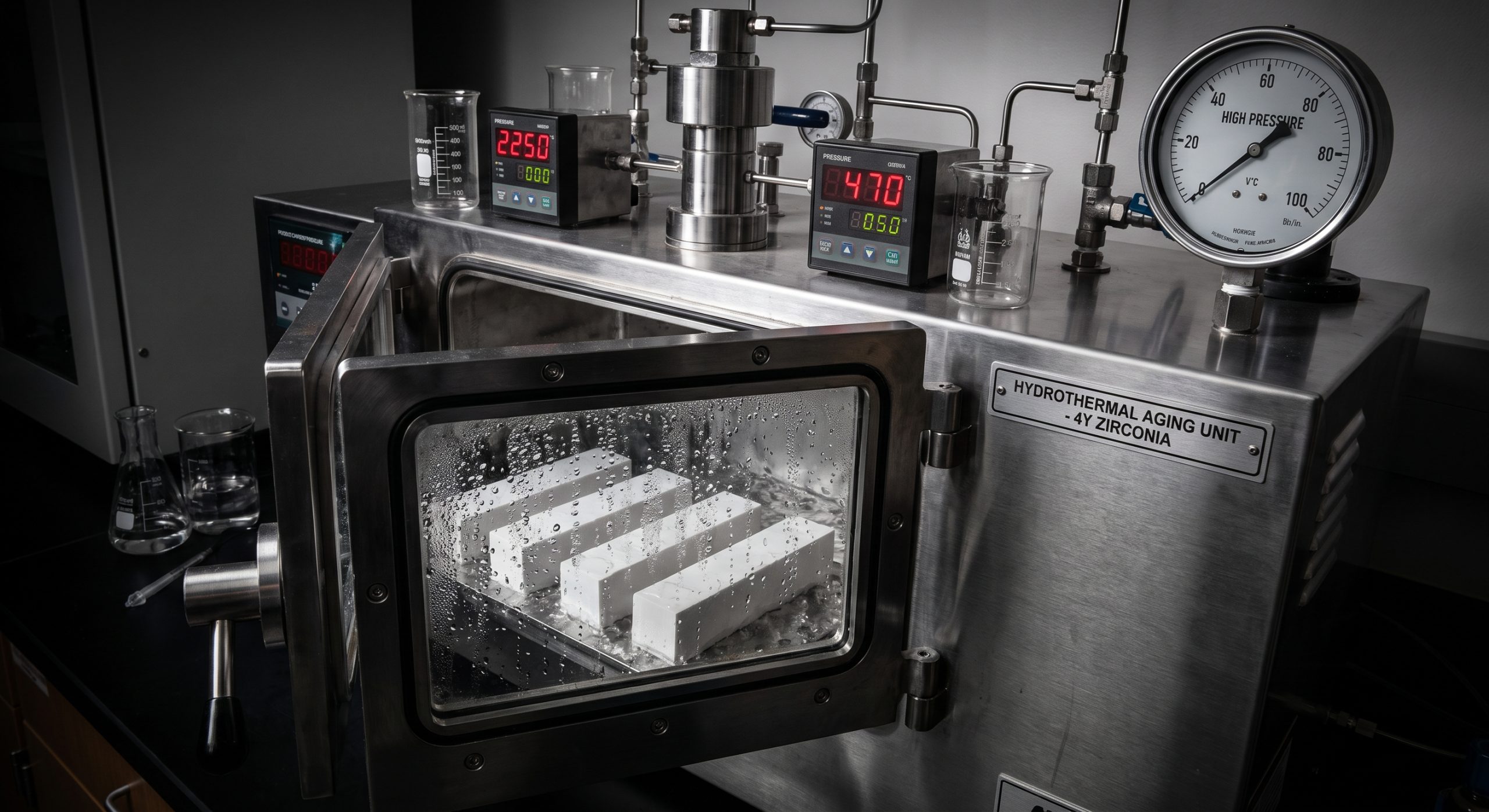
Long-term aging and hydrothermal stability are key factors that set this advanced ceramic apart from other dental materials. In warm, moist intraoral environments, some ceramics can experience low-temperature degradation (LTD). However, the stable crystal phase configuration of this material resists hydrothermal aging exceptionally well. This stability prevents surface roughening and maintains the material’s original strength over decades.
Extensive laboratory aging tests simulate decades of oral exposure to prove this structural integrity. The results show that the material retains its physical properties without micro-cracking. This makes it an incredibly safe, reliable choice for long-term clinical success. Your restorations will continue to perform beautifully year after year.
Think about it:
- Low degradation: Resists the structural weakening caused by moisture.
- Reliable stability: Maintains crystalline integrity in oral environments.
- Clinical aging resistance: Proven to last for decades without surface changes.
| Material Property | Lithium Disilicate | 4Y Zirconia | Clinical Impact |
|---|---|---|---|
| Flexural Strength | 360–450 MPa | 600–1,050 MPa | Higher resistance to functional fracture |
| Min Thickness | 1.5 mm | 0.8 mm | More conservative tooth prep possible |
| Indication Range | Anterior / Premolar | Universal (Anterior/Posterior) | Simplifies clinical material selection |
When posterior restorations require high durability and thin-walled preparations, this ceramic is the ideal alternative to lithium disilicate.
Key Takeaway: Swapping out fragile materials for highly stable structural ceramics in posterior regions saves chairside time and avoids premature failures.
How does 4Y Zirconia react to cementation?
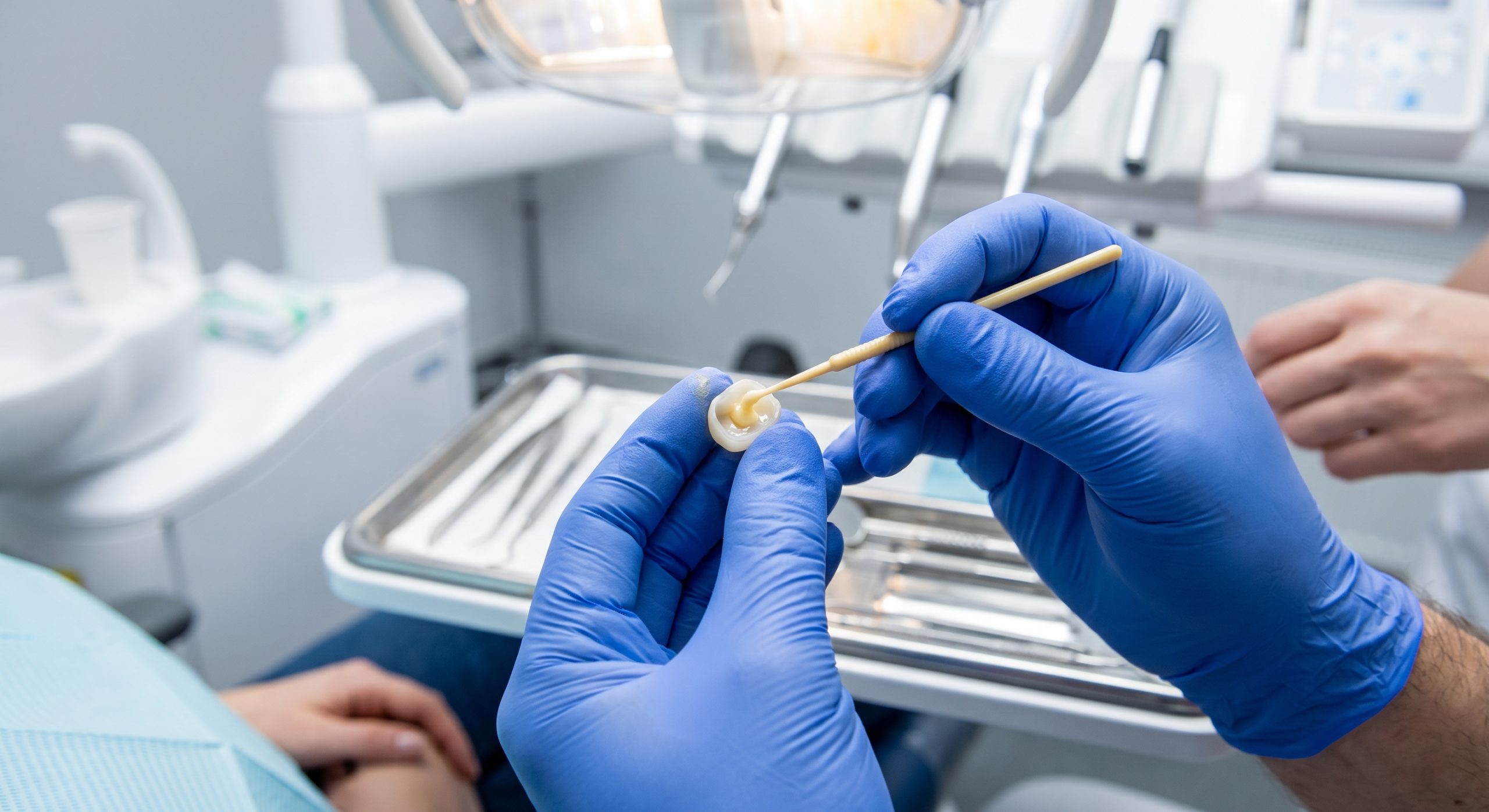
This ceramic responds exceptionally well to modern cementation protocols, requiring sandblasting and MDP primers to achieve a highly secure, long-lasting bond. The material’s dense crystal structure cannot be acid-etched like traditional glass-ceramics. Utilizing 4Y Zirconia requires mechanical air-abrasion to create a highly retentive surface. Following standard protocols ensures high bond strength and prevents restoration debonding.
Traditional adhesive bonding methods often fail on non-silicate ceramic surfaces. This can lead to restoration failure and patient discomfort. Implementing a chemical bonding protocol ensures consistent and predictable results. Clinicians can confidently deliver restorations that withstand long-term use.
What are the best bonding protocols?
The best bonding protocols begin with sandblasting the internal surface of the restoration with aluminum oxide. This process cleans the surface and creates micro-mechanical retention. After sandblasting, applying a phosphate-monomer-containing primer is critical to establishing a chemical bond. MDP primers create a strong, water-resistant chemical bond with the ceramic surface.
The prepared tooth must be kept dry and free of saliva contamination during cementation. Saliva contains proteins that can block the bonding action of MDP primers. If contamination occurs, cleaning the restoration with an alkaline solution is necessary. These steps ensure a highly secure, long-lasting clinical bond.
That is not all:
- Alumina Sandblasting: Creates micro-mechanical retention on the internal surface.
- MDP Priming: Establishes a durable chemical bond with the ceramic.
- Saliva Decontamination: Ensures a clean surface for maximum adhesion.
How to prevent microleakage over time
Preventing microleakage requires achieving a continuous marginal seal and using resin-modified glass ionomer (RMGI) or resin cements. Microleakage allows bacteria to get beneath the restoration, which can lead to decay and pulp damage. Using high-quality resin cements fills the microscopic gaps at the restoration margins. This seal protects the prepared tooth structure from oral fluids and bacteria.
Clean margins and precise digital impressions are critical to achieving a highly accurate marginal fit. Regular maintenance visits allow clinicians to monitor the integrity of the margins over time. If margins show signs of wear, polishing or sealing can extend the life of the restoration. These preventive steps help ensure the long-term success of your crowns.
The best part?
- Marginal Seal: Complete marginal occlusion stops micro-gaps from opening.
- Resin Stability: Active luting materials resist solubility from saliva.
- Predictable seating: Smooth margins ensure a tight, precise adaptation.
| Cementation Step | Action Required | Clinical Purpose | Common Error |
|---|---|---|---|
| Surface Prep | Sandblast with 50 µm alumina | Creates mechanical retention | Acid-etching with hydrofluoric acid |
| Chemical Priming | Apply MDP-containing primer | Establishes chemical bond | Skipping primer application |
| Cement Choice | Adhesive resin or RMGI cement | Seals margins and bonds crown | Using non-adhesive cements |
Consistently following sandblasting and MDP-priming protocols is essential to prevent restoration debonding and long-term marginal staining.
Key Takeaway: Applying systematic adhesive protocols prevents debonding issues, keeping margins clean, hygienic, and extremely durable over the long term.
Will 4Y Zirconia elevate patient loyalty?
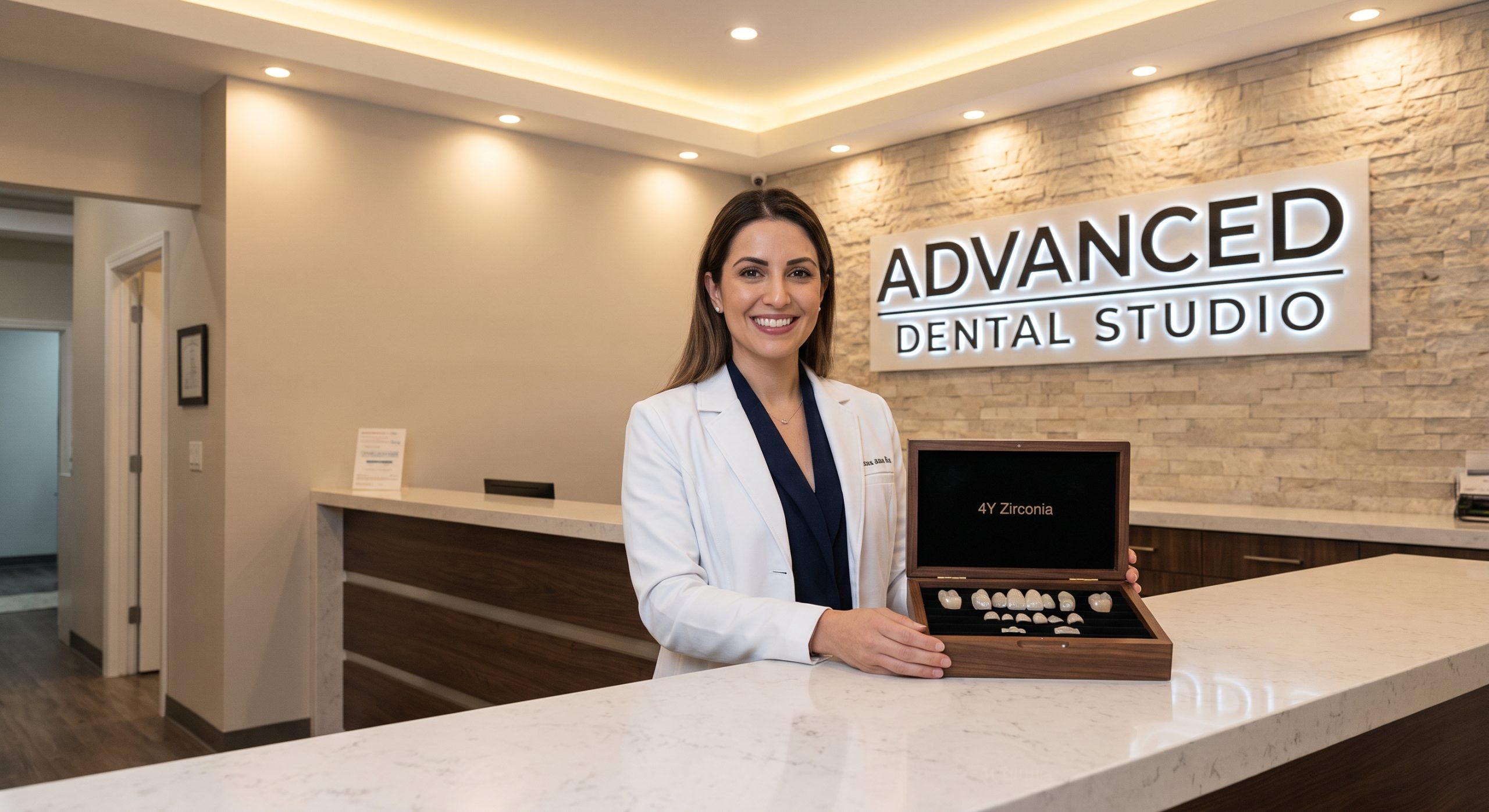
Yes, this premium ceramic raises patient loyalty by delivering durable, natural-looking restorations that enhance smile aesthetics and minimize clinical complications. Patients who receive durable and lifelike restorations are highly satisfied with their treatment outcomes. Utilizing 4Y Zirconia helps build patient trust in your clinical expertise and material selection. Highly satisfied patients are more likely to refer friends and family to your practice.
Restorative failures, such as chipped or broken crowns, can hurt patient trust. Minimizing these issues helps maintain a positive reputation in your community. Investing in high-performance materials is a smart business decision for your practice. It ensures long-term clinical success and helps build a loyal patient base.
Delivering confidence with every smile
Delivering confidence with every smile is the ultimate goal of modern aesthetic dentistry. Patients who are proud of their teeth smile more often and feel more confident in social settings. This material allows you to deliver beautiful, reliable restorations that improve patient self-esteem. The natural look of these crowns ensures patients can smile without feeling self-conscious.
Long-term comfort and durability are critical to maintaining patient confidence over time. Restorations that feel natural and require minimal adjustments are highly valued by patients. Providing this high level of care helps build long-term patient loyalty. This commitment to quality helps set your dental practice apart.
Think of it this way:
- Lifelike Aesthetics: Delivers beautiful restorations that look like natural teeth.
- High Durability: Reduces the risk of clinical fractures and replacement appointments.
- Patient Satisfaction: Build trust and confidence with every successful restoration.
Maximizing clinical return on investment
Maximizing clinical return on investment (ROI) is crucial to keeping your dental practice profitable and stress-free. When you use materials that are prone to chipping, you lose valuable chairside time on remakes. Every crown that has to be re-cemented or completely remade is a direct drain on your profits. By choosing a robust, beautiful material, you drastically decrease these unpaid appointments.
Furthermore, a reputation for long-lasting, gorgeous crowns is the best marketing your practice can have. Word of mouth spreads fast when patients are genuinely thrilled with their dental work. Investing in premium restorative materials pays off directly in decreased clinical stress and increased patient referrals. It is the smart, sustainable way to scale your B2B operations and clinical output.
Here is the bottom line:
- Low remake rate: Keeps your chairside schedule focused on new, profitable treatments.
- Streamlined appointments: Minimizes emergency repair and re-cementation visits.
- Happy referrals: Drives steady, organic growth from enthusiastic patient networks.
| Patient Experience Metric | Traditional Ceramic | Modern 4Y Zirconia | Practice Growth Impact |
|---|---|---|---|
| Aesthetic Appeal | Moderate (often looks flat) | High (mimics natural teeth) | Increased patient satisfaction |
| Clinical Longevity | Variable (prone to chipping) | Very High (resists fracture) | Lower rate of costly remakes |
| Patient Referral Rate | Average | High (due to beautiful results) | Consistent organic practice growth |
Prescribing high-performance multi-layered materials ensures predictable outcomes, high patient satisfaction, and steady practice growth.
Key Takeaway: Elevating your material standards directly leads to fewer crown remakes, creating a stellar reputation that turns one-time patients into life-long brand advocates.
Frequently Asked Questions
Can I cement a 4Y zirconia crown using traditional glass ionomer cement?
Yes, you can use traditional glass ionomer cement, but adhesive resin cements are highly recommended for preparations with limited retention. While glass ionomer is easier to clean up and works well for retentive preparations, adhesive resin cements provide superior bond strength. Utilizing MDP-containing primers alongside resin cements ensures a long-lasting, water-resistant seal that prevents microleakage.
What’s the best way to adjust a 4Y zirconia crown chairside without damaging it?
The best way to adjust this material is to use fine-grit diamond burs under constant water spray at low speeds, followed by thorough polishing. High heat from dry adjustments can cause micro-fractures in the ceramic matrix, which can lead to early failure. Using specialized polishing kits restores a smooth, low-friction surface that protects opposing teeth.
How do I know if 4Y zirconia is translucent enough for a single maxillary central incisor?
You can determine this by evaluating the adjacent teeth and the prep shade, as this material works well for most anterior cases but may need a high-translucency 5Y or a veneered crown for very bright teeth. Its multi-layered structure mimics natural light transmission well. However, in cases with high aesthetic demands or bright white teeth, a custom-layered restoration may be necessary to match the adjacent dentition perfectly.
Can I use 4Y zirconia for a 4-unit posterior bridge?
No, you should avoid using this material for posterior bridges longer than three units because long-span bridges require the higher strength of 3Y formulations. Long-span bridges are subject to high bending and twisting forces. While this material is highly durable, it may not withstand the stresses of a 4-unit span in the molar region over time.
How do I clean saliva off a 4Y zirconia crown during the try-in phase?
You must clean saliva off the restoration using an alkaline cleaner or by sandblasting the internal surface again, as water alone will not remove salivary proteins. Salivary proteins can block the chemical bonding of MDP primers, which can lead to early debonding. Using specialized cleaning solutions ensures a clean surface for maximum adhesion.
Conclusion
Choosing the right zirconia crown material is a critical clinical decision that directly affects restoration longevity, patient satisfaction, and the efficiency of your dental practice. Balancing mechanical strength and lifelike aesthetics can be challenging, but utilizing modern, multi-layered 4Y zirconia formulations delivers a highly effective and versatile solution. This advanced ceramic material provides the durability required for posterior teeth, the conservative tooth preparation options dentists prefer, and the lifelike aesthetics patients expect.
Ready to elevate your clinical outcomes and streamline your laboratory workflow with high-performance dental ceramics? Please contact us today to explore our advanced material options, request product samples, and partner with a team dedicated to supporting your practice’s success. Together, we can shape the future of restorative dentistry through precision manufacturing, exceptional clinical support, and innovative materials that inspire healthy, confident smiles around the world.